
Cloudflared'd
The backbone of the internet, now available for peasants like you and I


Since the dawn of mankind, once the important scientific discoveries like electricity, flight, fire, and the wheel were discovered and out of the way, people have yearned for low-cost, secure, high-availability web hosting. The web infrastructure and security company, Cloudflare, knew this and has responded with the cloudflared client.

What's a Cloudflare?
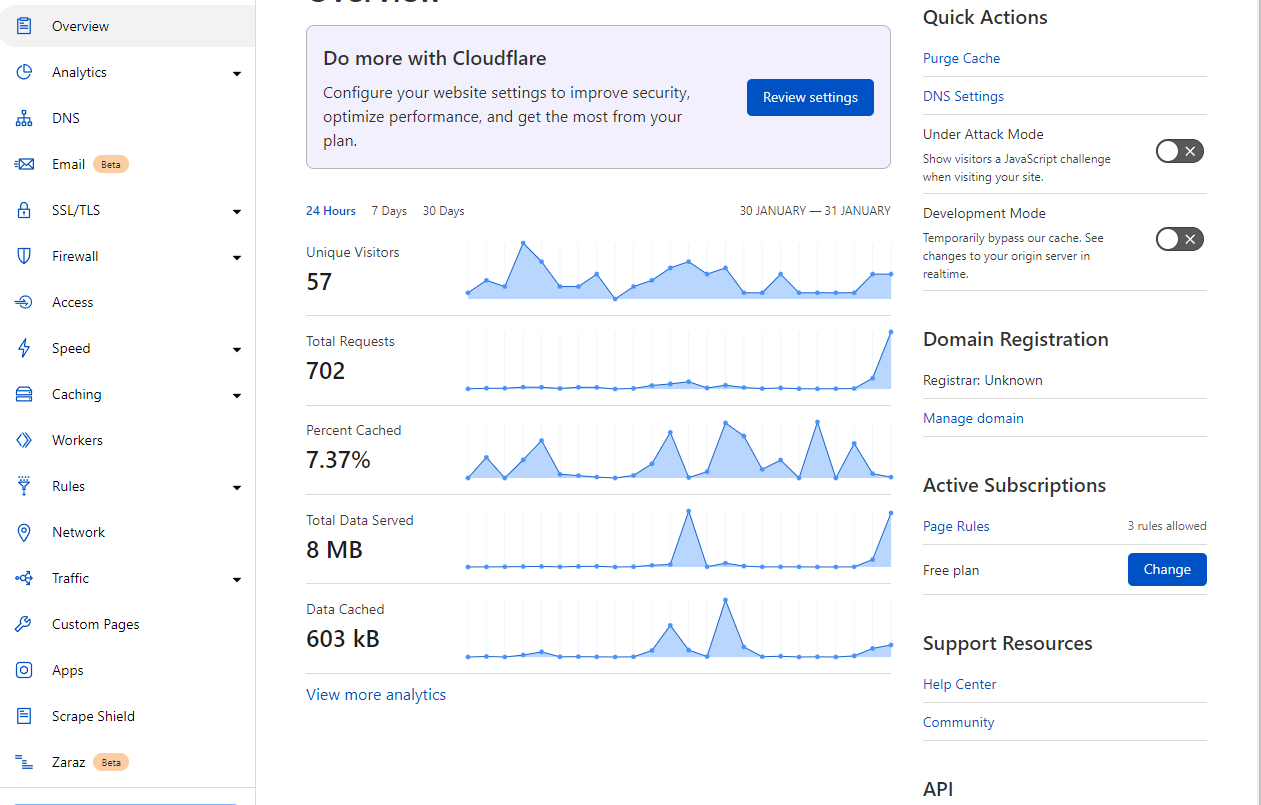
Cloudflare, Inc. is a company that provides a giant list of different Internet services, often at no cost, to a large chunk of the Internet. Some of their sexiest services include:
- DDoS (Distributed Denial of Service attack) mitigation services, protecting users' web properties from folks who try to overload a webserver by calling it so many times that it crashes trying to keep up with the requests.
- CDN (content distribution network) functionality, supporting over 25 million websites on the internet. After all, why should we send content to users directly? Cloudflare has servers all over the world that keep a copy, or cache, of our websites for fast, geolocation-based distribution to interested viewers (with free, painless SSL handling).
- A free tier that includes all the above, as well as free DNS (the phonebook of the Internet), firewall services (I don't need visitors from Russia), the incredible cloudflared client that helps run webservices without NAT/port forwarding (this last bit is amazing, trust me), and a bevy of other niche features.
What's a Cloudflared?
Cloudflared is a client daemon that one can install on their web server that, through some simple CLI functions and a few lines of config, establishes a secure, SSL-protected connection to one of their Edge servers. This allows a site owner, like yours truly, to create a secure tunnel from a local port, and send my website (outbound traffic only) to users using Cloudflare as a middleman.
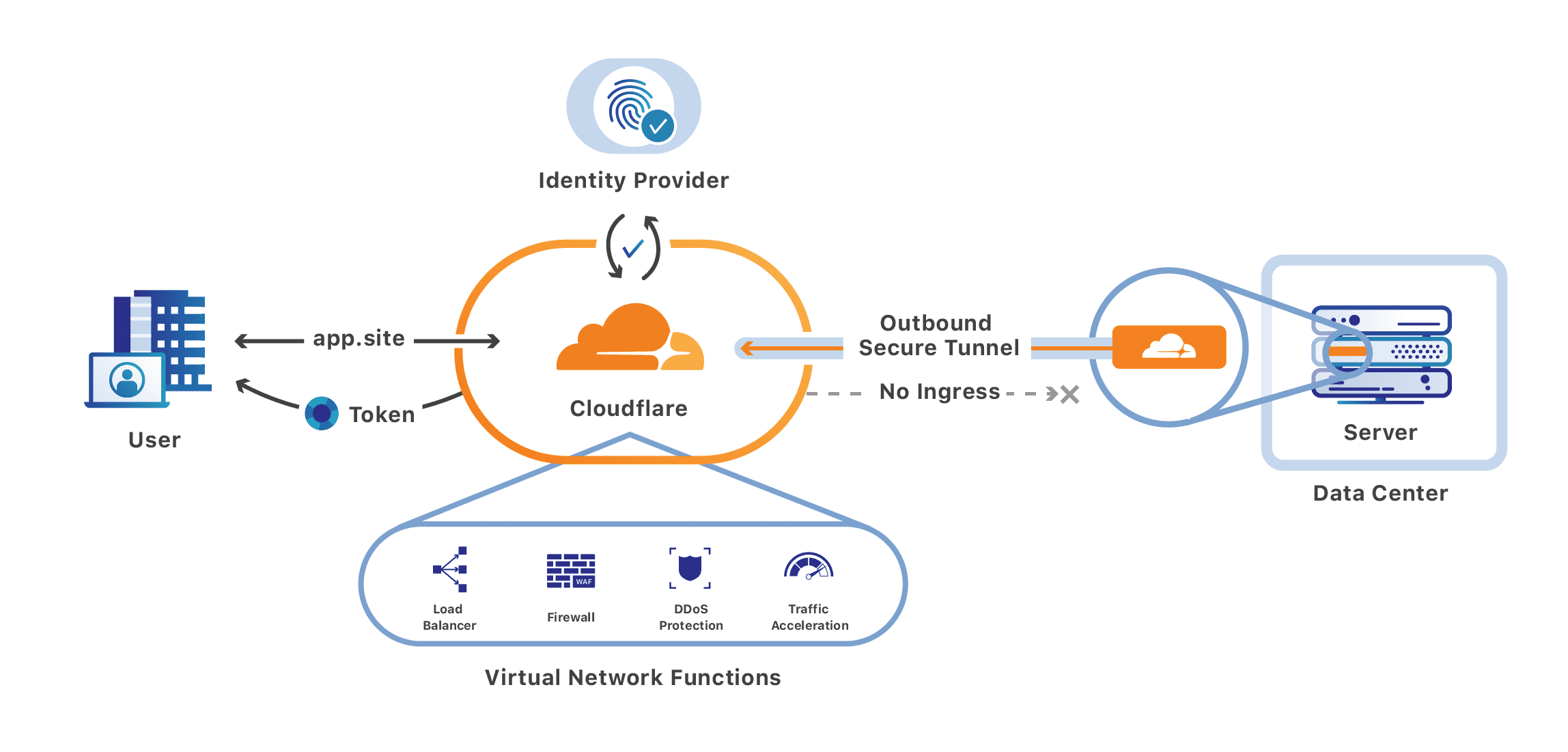
This is great for someone like me, since the folks at Cloudflare work diligently to keep things running in a secure way, and reduces the burden of network security that I previously had to bear. Not to mention, the process is incredibly simple, with a config under 20 lines long.
Isn't it a bad idea for one company to act as a front for so many websites on the Internet?
Yes, but I kind of like the camaraderie this creates between websites. It's nice to know that when my site is down (if Cloudflare fails) that places like Lyft, Udemy, medium.com, Tinder, and thousands more, are also likely suffering.

If you host a web server, check out the GitHub page above, and setup your own Cloudflared integration. I promise you it's very cool.